Every year brings its wave of wellness fads, cultural shifts, and social phenomena that capture the collective imagination. But 2026 feels different. The lifestyle trends emerging this year are not frivolous or fleeting — they reflect something deeper: a society collectively recalibrating after years of disruption, digital saturation, and economic uncertainty. So which lifestyle trend will dominate 2026? To answer that question properly, we need to understand the forces shaping how people live, work, rest, and connect right now.
The Context: Why 2026 Is a Pivotal Year
We are living through an extraordinary convergence of forces. Artificial intelligence has entered everyday life with stunning speed, reshaping work and creativity in real time. The cost of living has placed enormous pressure on how people spend, save, and prioritise. Mental health has moved from the margins to the mainstream of public conversation. And a generation that grew up with smartphones is now entering its thirties, questioning the digital habits formed in adolescence.
These forces are not background noise — they are actively shaping the lifestyle choices millions of people make every day. The trends that will dominate 2026 are responses to these pressures, not just aesthetic preferences.
Trend #1: The Digital Detox Goes Mainstream
From Niche to Norm
The concept of intentionally limiting screen time and social media use has been discussed for years, but 2026 marks the point where it shifts from a niche wellness practice to a genuine mainstream movement. Growing evidence of social media’s impact on mental health, attention spans, and sleep quality has pushed digital detoxing into the cultural conversation with a new urgency.
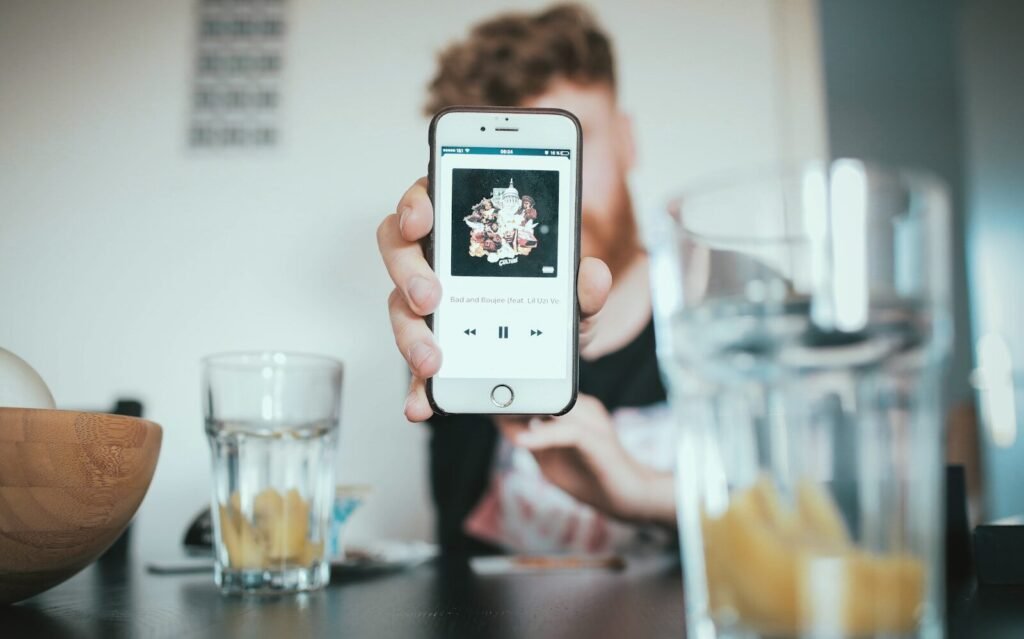
Younger generations, in particular, are leading this shift. Rates of social media app deletion, smartphone downgrade purchases, and ‘dumbphone’ adoption have risen steadily. People are setting phone-free hours, leaving group chats, and deliberately seeking experiences that do not involve documentation or sharing.
What It Looks Like in Practice
Digital detox in 2026 is less about dramatic month-long retreats and more about sustainable, everyday boundaries. People are keeping phones out of bedrooms, using apps that track and limit usage, taking social media sabbaticals, and choosing to be present in social situations rather than recording them. The trend intersects with broader values around mindfulness, attention, and authentic connection.
For brands, this trend presents both a challenge and an opportunity. Companies that help people manage their digital lives — rather than exploit them — are well-positioned for growth.
Trend #2: Slow Living and the Anti-Hustle Culture
The Burnout Backlash
The glorification of busyness — the hustle culture that dominated the 2010s, where exhaustion was worn as a badge of honour — is facing its most serious cultural backlash yet in 2026. Years of pandemic disruption forced many people to slow down involuntarily, and a significant portion discovered they did not want to return to the relentless pace of before.
Slow living is the philosophical counterpoint to hustle culture. It is about doing fewer things with greater intention — whether that is cooking a meal from scratch, tending a garden, reading a physical book, or taking a long walk without a destination. It is a deliberate choosing of depth over volume, experience over output.
The Numbers Tell a Story
Interest in slow travel, local experiences, artisan crafts, and analogue hobbies has grown substantially. Sourdough bread and home fermenting never really went away after the pandemic; they became gateways into a broader philosophy of making, growing, and connecting with the physical world. The slow living lifestyle trend signals a deep cultural hunger for meaning and texture in an increasingly abstracted, digital existence.
Trend #3: Preventative Health and Longevity
From Reactive to Proactive
Healthcare has long been reactive — you wait until something goes wrong, then you seek treatment. The dominant lifestyle trend in health for 2026 is the shift toward a proactive, preventative model. Driven by a combination of growing scientific literacy, accessible wearable technology, and a generational reckoning with the health consequences of sedentary modern life, people are investing in their long-term health with unprecedented intentionality.
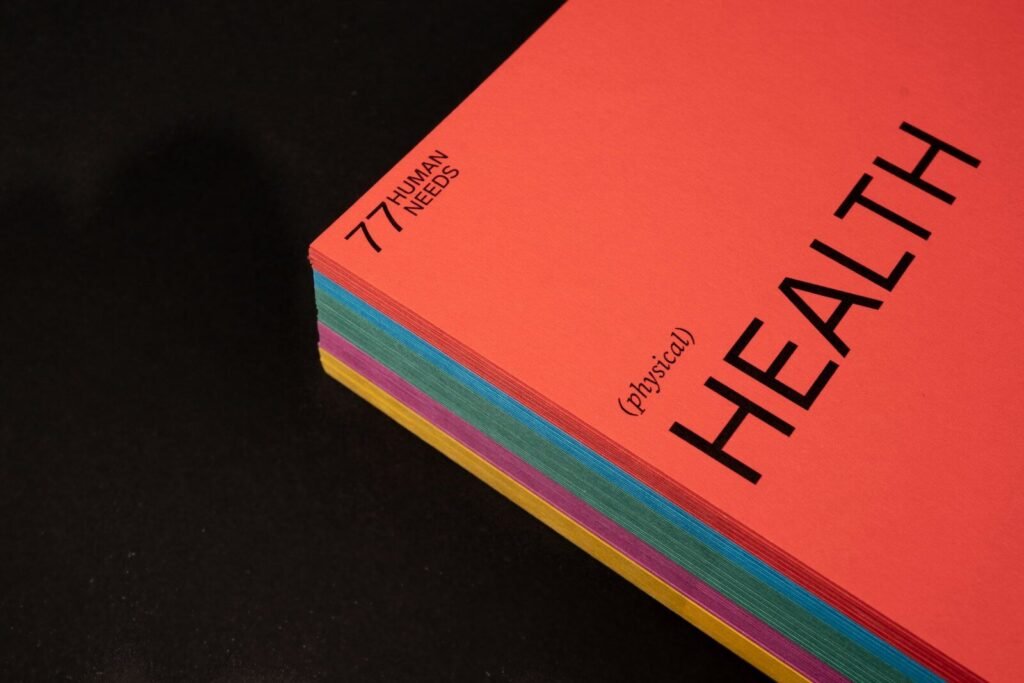
Sleep optimisation, zone 2 cardiovascular training, strength training for longevity, metabolic health monitoring, and deliberate recovery practices have all moved from the fringe to the fitness mainstream. Books and podcasts focused on longevity science have found enormous audiences. People are thinking about how they want to feel at 70, not just how they want to look this summer.
Technology Enabling the Trend
Wearable devices that track sleep stages, heart rate variability, blood oxygen levels, and activity patterns have made personalised health data accessible to ordinary people in a way that was previously reserved for elite athletes. This data — when used wisely — empowers individuals to make genuinely informed choices about diet, exercise, and lifestyle. In 2026, health is becoming something people manage daily, not just at annual check-ups.
Trend #4: The Return to Community
Loneliness as a Public Health Issue
Loneliness has been declared a public health crisis in multiple countries, and 2026 is seeing a meaningful cultural response. After years of increasing social atomisation — driven by technology, remote work, urban planning, and the general fragmentation of shared community spaces — people are actively seeking to rebuild local connection and belonging.
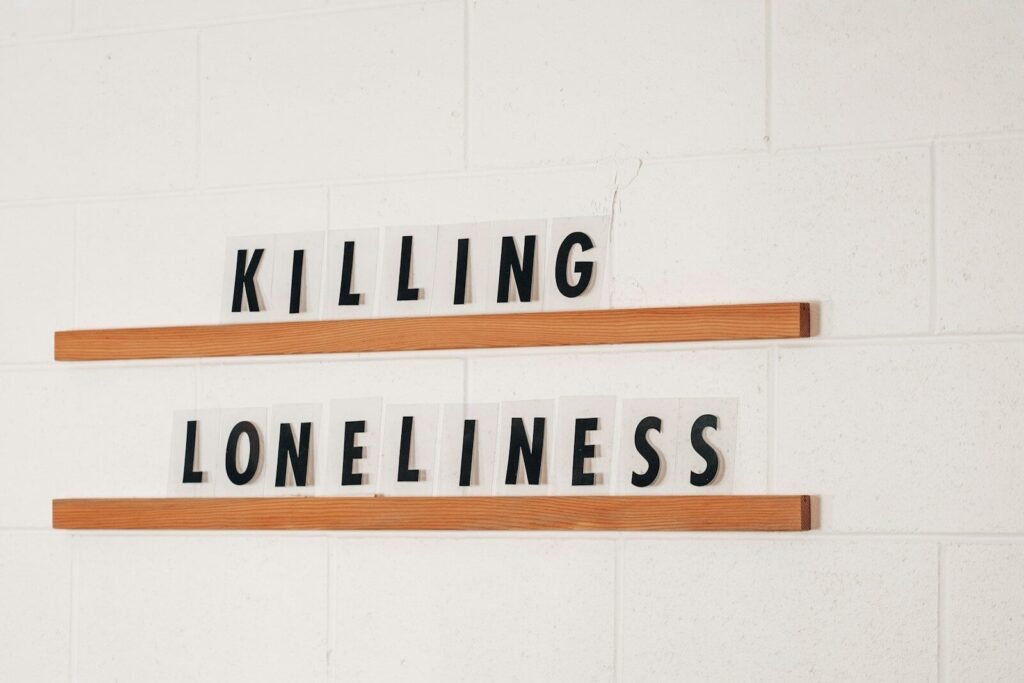
Community gardens, neighbourhood social events, book clubs, sports leagues, maker spaces, and faith communities are all experiencing renewed participation. There is a growing recognition that the social infrastructure of belonging — the regular, low-stakes interactions that create a sense of community — has eroded, and that rebuilding it requires deliberate effort.
Third Places Making a Comeback
The sociological concept of ‘third places’ — spaces that are neither home nor work, where community naturally forms — is experiencing a revival. Cafes, libraries, parks, gyms, and community centres are being recognised and invested in as essential social infrastructure. The lifestyle trend is less about individual choices and more about a collective turning toward each other.
Trend #5: Conscious Consumption
The era of cheap, disposable everything is increasingly at odds with the values of a growing segment of consumers. Conscious consumption — buying less, buying better, choosing products with genuine longevity, repairability, and ethical provenance — has been growing steadily and in 2026 it shows no signs of slowing.
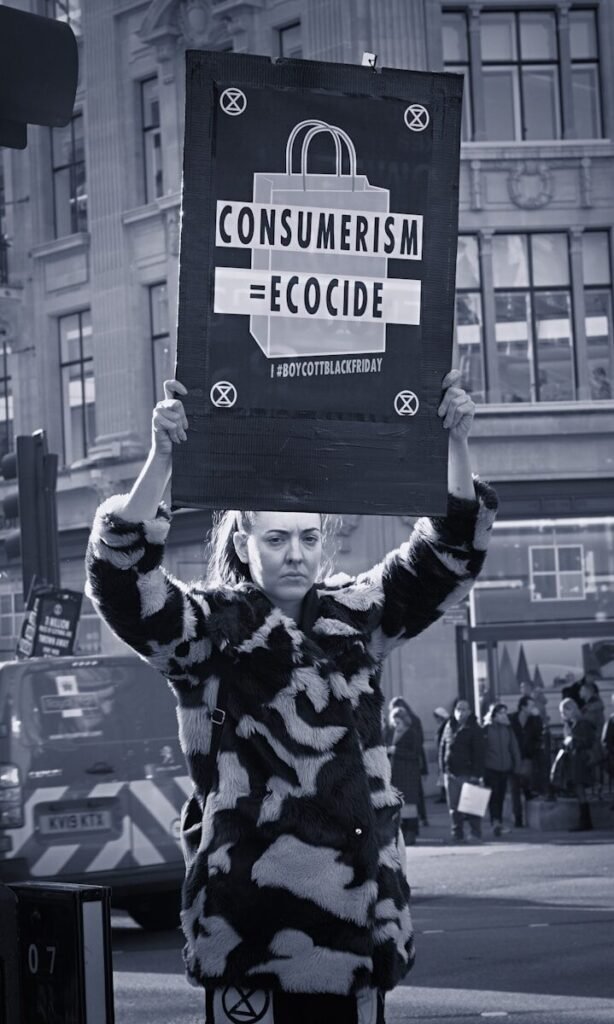
The second-hand economy has exploded. Repair cafes, clothing swaps, and buy-nothing groups are thriving. People are questioning whether they actually need the latest version of something, or whether what they already own is sufficient. This is partly economic — quality goods bought once are often cheaper over a lifetime than cheap goods replaced repeatedly — and partly ethical, driven by awareness of environmental and labour issues in global supply chains.
So Which Lifestyle Trend Will Dominate 2026?
If forced to name a single dominant lifestyle trend in 2026, the answer is this: intentionality. All of the trends described above — digital detox, slow living, preventative health, community, conscious consumption — share a common thread. They are all expressions of people choosing to be more deliberate about how they live, rather than simply being swept along by the default settings of a consumer society.
The dominant lifestyle trend of 2026 is the active, conscious design of a life that aligns with personal values rather than social or commercial pressure. This is not a small thing. It represents a meaningful shift in how a significant and growing portion of the population is choosing to exist in the world.
The forces driving this shift — AI anxiety, burnout, loneliness, health consciousness, and environmental awareness — are not going away. If anything, they are intensifying. The people and organisations that understand this shift and respond to it authentically will be the ones who shape what comes next.
In the end, the question of which lifestyle trend will dominate 2026 may be less interesting than a deeper one: which of these trends, if embraced fully, would genuinely make your life better? That is a question worth sitting with — slowly, intentionally, without your phone.
Further Reading
For Australian government research and data on health, wellbeing, and lifestyle trends, the Australian Institute of Health and Welfare (AIHW) provides comprehensive national health and welfare statistics and reports that contextualise many of the trends discussed in this article.