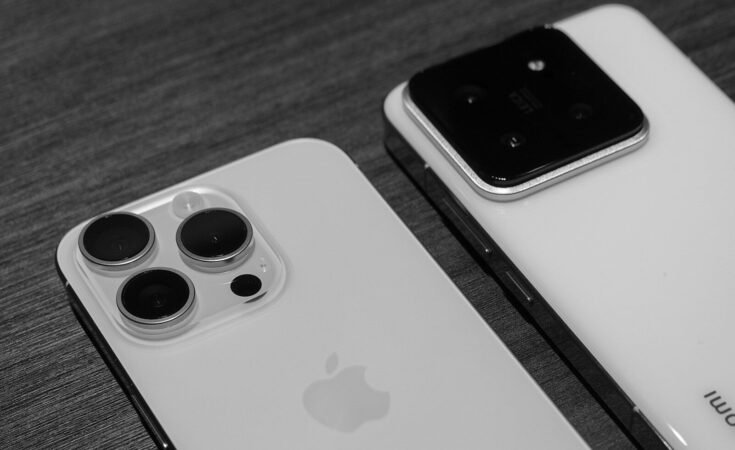
The debate over iPhone vs Android has raged ever since smartphones became a staple of modern life. It is one of the most passionately argued topics in consumer technology — bringing together loyalists on both sides who will defend their choice with near-religious conviction. But in 2026, with both platforms more mature and feature-rich than ever before, the question deserves a proper, honest, and thorough examination. Which is better: iPhone or Android? The answer, as you will discover, depends heavily on who you are and what you actually need from a smartphone.
A Brief History of the Rivalry
Apple launched the iPhone in 2007, fundamentally changing what a phone could be. Google followed with the Android operating system, which was quickly adopted by a wide range of manufacturers. For the first several years, the two platforms were wildly different in capability, design language, and philosophy. Apple championed a closed, tightly controlled ecosystem; Google promoted openness, customisation, and accessibility across price ranges.
Over time, both platforms borrowed liberally from each other. Today, the gap has narrowed considerably, but the philosophical differences remain — and they still matter greatly depending on the user.
Design and Build Quality
iPhone: Precision and Polish
Apple designs both the hardware and software for the iPhone, which creates a level of polish and integration that is difficult to match. iPhones are known for their premium materials, tight tolerances, and consistent build quality across every model. The operating system, iOS, is designed exclusively for a small range of device configurations, which means Apple can optimise performance at a very deep level.
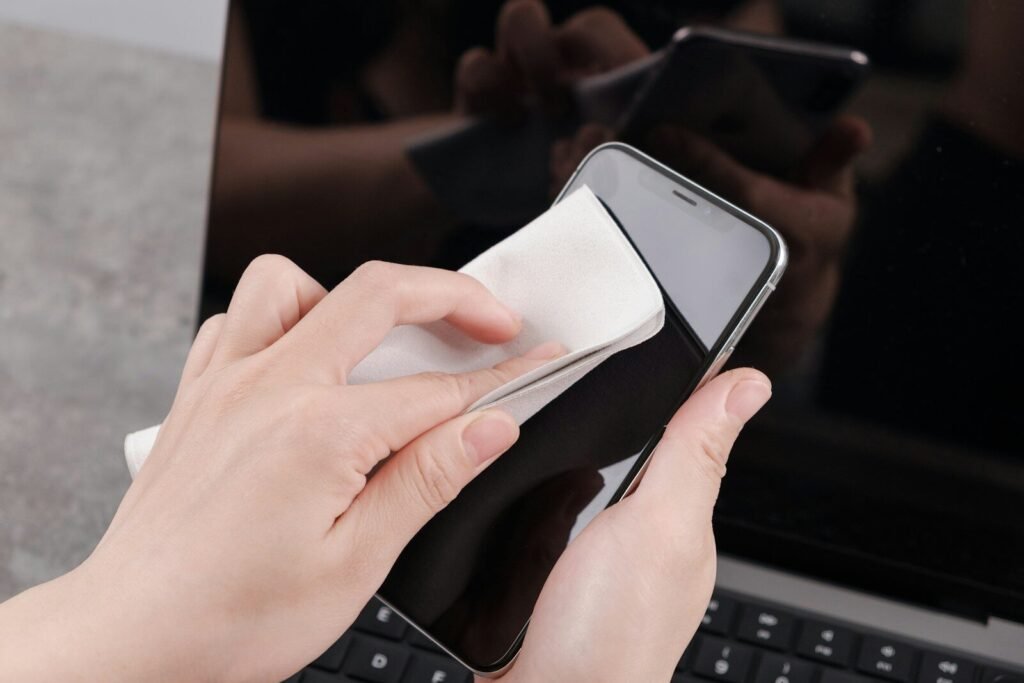
The result is a smartphone that feels seamless. Animations are smooth, apps load quickly, and the overall experience rarely surprises you in a bad way. For many users, this reliability and elegance is worth the premium price.
Android: Variety and Flexibility
Android runs on hundreds of different devices made by manufacturers such as Samsung, Google, OnePlus, Motorola, and many others. This diversity means there is an Android phone for virtually every budget, preference, and use case. Want a phone with a stylus? A foldable screen? A massive battery? A compact body? Android almost certainly has you covered.
However, this diversity can also mean inconsistency. Some Android phones are impeccably built; others feel cheap. Software update schedules vary by manufacturer. The experience on a Google Pixel flagship is very different from a budget Samsung device, even though both run Android.
Software and User Experience
iOS: Simplicity and Consistency
iOS is celebrated for its intuitive interface, consistent app quality, and long software support. Apple typically provides iOS updates for iPhones for six or more years after launch — an industry-leading commitment that ensures your phone stays secure and current for a long time. The App Store is tightly curated, which means apps tend to be better optimised, better designed, and more reliably safe compared to their Android counterparts.
The downside of iOS is that it is deliberately restrictive. You cannot set third-party apps as defaults as freely, customise your home screen as deeply, or sideload apps from outside the App Store without jumping through significant hoops. Apple controls the experience — and for many people, that control is a feature, not a bug.
Android: Freedom and Customisation
Android gives users a level of freedom that iOS simply does not offer. You can change default apps for virtually everything, use widgets extensively, install custom launchers, and even sideload applications from outside the Play Store. Power users and tech enthusiasts tend to gravitate toward Android precisely because it bends to their will rather than imposing a fixed vision.
Google has also significantly improved Android’s update pipeline in recent years, particularly on Pixel devices and through the Play System Updates mechanism. That said, the fragmented update landscape across various manufacturers remains a genuine weakness.
Camera Performance
Camera quality is one of the most-cited factors in smartphone purchasing decisions, and both platforms have invested enormously in this area.
Apple’s computational photography has long been praised for producing natural, true-to-life images with excellent dynamic range and skin tones. The iPhone’s video capabilities, in particular, are widely regarded as the benchmark for smartphone filmmaking.
Google’s Pixel line uses artificial intelligence and machine learning to produce outstanding photos, particularly in challenging lighting conditions. Samsung’s Galaxy S series offers versatile zoom capabilities and vivid colour science. The iPhone vs Android camera debate has become genuinely competitive, with the best answer depending heavily on which specific devices you are comparing.
Ecosystem and Integration
The Apple Ecosystem Advantage
If you already own a Mac, iPad, Apple Watch, or AirPods, choosing an iPhone is an easy decision. The Apple ecosystem is remarkably cohesive. Features like AirDrop, Handoff, Universal Clipboard, iMessage, FaceTime, and iCloud work seamlessly across all Apple devices in a way that Android and Windows simply cannot replicate out of the box. For users deeply embedded in the Apple world, switching to Android involves real, tangible sacrifices.
Android’s Cross-Platform Appeal
Android integrates more naturally with a wider range of services and operating systems. It works well with Windows, Linux, and various cloud services. For those who use Google’s suite of productivity tools — Gmail, Google Docs, Google Photos — an Android device feels like a natural home. Android phones also tend to offer more flexible USB connectivity, expandable storage options, and easier file management without requiring third-party software.
Price and Value
This is where Android’s diversity becomes a genuine advantage. While Apple’s flagship iPhones sit at the premium end of the market, the Android ecosystem offers excellent smartphones at every price point — including some genuinely impressive mid-range devices that outperform their price tag.
Apple has made efforts to address this with the iPhone SE line, but the latest SE models still command a premium compared to equivalent Android alternatives. For budget-conscious consumers, Android wins this category convincingly.
Privacy and Security
Apple has made privacy a central pillar of its brand identity. Features like App Tracking Transparency, on-device processing for Siri, and strict App Store policies give iPhone users a meaningful level of privacy protection. Apple’s business model is built on hardware sales, so it has less incentive to monetise user data than Google, whose core business is advertising.
Google has made significant strides in Android’s privacy features, and the platform has improved substantially in this regard. However, Google’s advertising-driven model creates a fundamental tension that Apple does not face.
Which Is Better: The Verdict
The iPhone vs Android debate does not have a universal winner. The right choice depends entirely on what you value most in a smartphone.
Choose an iPhone if you prioritise seamless hardware-software integration, long software support, a polished user experience, superior ecosystem connectivity with other Apple devices, and strong privacy protections. The iPhone remains the gold standard for users who want a device that simply works without asking much of them.
Choose Android if you value customisation, hardware diversity, a wider range of price points, greater freedom over your device, and deeper integration with Google services and non-Apple ecosystems. Android gives you more control — if you want it.
Ultimately, the best smartphone is the one that fits your life, your habits, and your budget. Both platforms are exceptional in 2026, and you cannot go truly wrong with either — as long as you choose the one that aligns with your actual needs.
Further Reading
For information on consumer digital rights and technology standards in Australia, visit the Australian Competition and Consumer Commission (ACCC), which provides guidance on digital platforms and consumer protections relevant to smartphone users.