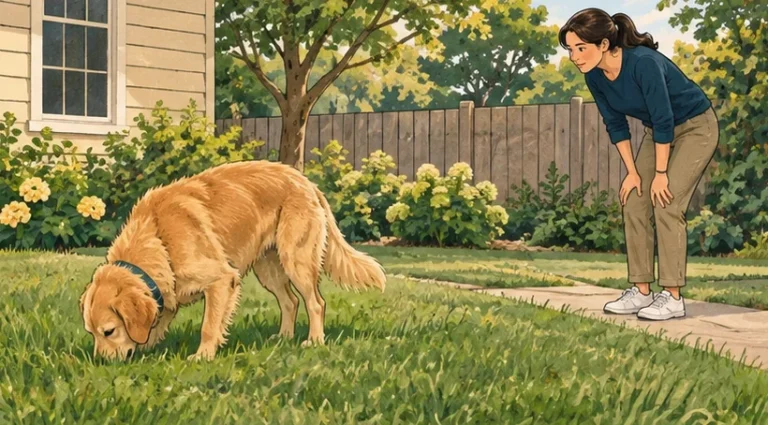
how to help a dog with separation anxiety at night
Nighttime whining, pacing, scratching, and accidents can have different causes, so the first step is to notice what happens before the dog becomes unsettled. To understand how to help a dog with separation anxiety at night, compare the timing with changes in who is nearby, bathroom needs, signs of discomfort, and the sleeping environment.
A brief record can help distinguish patterns without deliberately putting a dog through a frightening experience. The goal is to respond to practical needs, check for health concerns, and build tolerance for separation only in small steps the dog can manage. Find more dog-care articles in the Pet category.
how to help a dog with separation anxiety at night: look for a pattern
Separation-related distress is more likely when a dog becomes upset specifically as a person leaves or becomes inaccessible. Persistent barking or howling, pacing, destructive behavior near doors, or attempts to escape can be clues, especially when several happen together and are unusual when people are present. These signs can indicate distress, but they do not establish a diagnosis by themselves. ASPCA guidance on separation anxiety
Notice the sequence, not just the noise. For example, a dog might whine when the household gets ready for bed, settle while someone stays nearby, and become unsettled when a bedroom door closes. That sequence is useful to record and discuss with a veterinarian; it differs from a dog who wakes later, toilets outside, and then settles again. These are examples of observations, not home tests that can identify a cause.
Write down whether the behavior starts when a particular person leaves, when a door closes, or when the room becomes quiet. Note how long it lasts, what the dog does, and whether the behavior changes when someone returns. Separation-related signs may begin soon after a guardian leaves, while persistent vocalizing, pacing, and escape attempts are reasons to take the distress seriously. ASPCA guidance on separation-related signs
Do not wait for a dog to become frantic just to confirm that the setup is too difficult. If the dog repeatedly scratches at a door, tries to break out, or cannot settle, stop testing longer separations and contact a veterinarian. Escape attempts can cause injuries, including damaged nails or teeth, so keeping the dog safe matters more than deciding on a label. ASPCA guidance on escape behavior
Check bathroom needs and possible pain
A dog who wakes and needs to urinate or defecate may not be showing separation distress. Record the time of the last bathroom break, whether the dog actually toilets during a nighttime outing, and whether accidents have started or become more frequent. New or recurring elimination problems deserve veterinary attention before you assume they are behavioral. Urine leakage during sleep or soiling while a person is present can have medical causes. ASPCA guidance on medical problems to rule out
Keep a necessary bathroom trip calm and brief, then note what happens afterward. For example, if a dog wakes at roughly the same time, urinates outside, and returns to sleep, record that pattern rather than treating the waking as a separation exercise. If the dog does not toilet but becomes distressed when left alone, that contrast may help a veterinarian understand the situation. Do not withhold a reasonable chance to go outside just to see whether the dog stops whining.
Pain or discomfort can also disrupt sleep and look like restlessness. Notice new reluctance to lie down, stiffness when rising, unusual whining, changes in appetite, or a marked shift in how the dog behaves around people. These signs do not identify a particular problem, but restlessness, vocalizing, and changes in posture can be signs of pain. AAHA guidance on common pet pain signs
Do not punish an accident or nighttime vocalizing. Punishment will not clarify whether the dog needs to go outside, feels unwell, or is distressed by separation, and a behavior change may warrant a veterinary conversation. Contact a veterinarian about sudden or repeated accidents, unusual movement, or a noticeable change in behavior. Labored breathing warrants immediate veterinary attention. AAHA guidance on pain signs and veterinary care
Consider changes in the sleeping environment
A change in where the dog sleeps, who is home, or the household schedule may coincide with nighttime distress. Moving, a family member leaving, and an abrupt routine change have been associated with separation anxiety, but none proves that anxiety is the cause. Write down what changed and when, including whether a dog who used to sleep near someone is now expected to sleep alone. ASPCA guidance on changes associated with separation anxiety
Offer a comfortable, safe resting area with familiar bedding and enough room to settle. A quiet room or gated area may suit some dogs, but confinement can worsen distress for others. A crate is an option only if the dog is already comfortable resting in it; it should not be used to force a panicking dog to stay alone. AAHA guidance on safe spaces and separation anxiety
Keep a short log before changing the plan
A brief log can make a difficult night more useful to discuss with a professional. Record bedtime, the last bathroom break, where people sleep, when the dog wakes, what the dog does, and what happens after someone responds. Add relevant changes in appetite, movement, or settling. Concrete observations are more useful than labels such as stubborn or attention-seeking because they describe what actually happened.
If it can be done without setting up a separation the dog cannot tolerate, a short recording may show details that are easy to miss while asleep. It might capture whether vocalizing starts as soon as a person leaves, whether pacing repeats, and whether the dog settles after someone returns. Video can help a veterinarian or qualified behavior professional understand the pattern and tailor advice. AAHA guidance on video and professional support
Record what helps, too. Note whether the dog settles after a bathroom trip, when a person returns, or in a familiar sleeping spot. One calmer night does not prove the cause, but repeated observations may show whether the behavior tends to follow separation, a practical need, or a room change. Bring the notes to a veterinary appointment if the problem is new, persistent, or accompanied by other changes.
| What you notice | What to record | Useful next step |
|---|---|---|
| Wakes to toilet | Time and result | Discuss recurring changes with a veterinarian |
| Whines after separation | Trigger and duration | Practice only at a calm level |
| Seems stiff or uncomfortable | Movement and behavior changes | Arrange a veterinary assessment |
| Reacts after a room change | Sound, light, or location | Test one safe adjustment |
Build independence in small, calm steps
Once bathroom and health concerns have been considered, practice separation at a level where the dog can remain calm. Begin with a small change, such as briefly stepping out of sight while the dog stays in a comfortable space, and return before signs of distress begin. If even a few seconds is difficult, make the step smaller. The aim is manageable practice, not testing how long the dog can endure being alone. AAHA guidance on gradual desensitization
Increase one element at a time, such as distance or duration, and let the dog’s response guide the pace. If whining, pacing, or escape behavior appears, shorten the next practice or return to an easier step. A long separation that repeatedly overwhelms the dog is not a useful way to build tolerance. Some dogs need very small increments, so follow the dog’s response rather than a fixed calendar.
The same approach may help when a dog is distressed by separation from a person who remains at home. For example, if a dog settles beside the bed but reacts when a bedroom door closes, the household might practice a brief separation with the door open and the person nearby. Consider a small increase only while the dog remains calm. This is one possible example, not a universal sequence; a veterinarian or behavior professional can help adapt a plan.
Get professional help when distress persists
Contact a veterinarian when nighttime behavior starts suddenly, continues despite careful adjustments, or appears alongside pain signs or changes in elimination. An assessment can help determine whether a medical issue or basic need may be contributing. If separation-related distress remains a concern, ask whether a qualified behavior professional should be involved and how to adapt the plan to your dog.
Seek prompt help if the dog tries to break through a door or window, injures themself, or remains highly distressed instead of settling. Dogs with separation anxiety may make intense escape attempts and can hurt themselves. Do not deliberately leave a dog alone long enough to trigger this behavior to confirm a suspicion; a safely obtained recording is more useful than a staged test. ASPCA guidance on separation-related escape behavior
A plan may need to address immediate nighttime management as well as gradual practice. Ask the veterinarian what changes are reasonable while practice is underway, what signs mean the step is too difficult, and when to check in again. If distress prevents progress, report that rather than increasing the separation time. Veterinary care may include a tailored behavior plan, and the veterinarian can discuss whether additional support is appropriate. AAHA guidance on professional support
Avoid punishment, cry-it-out experiments, or approaches that repeatedly overwhelm the dog. The aim is to help the dog experience separation without fear, building tolerance in manageable increments. Keep recording the response, protect the dog from unsafe escape opportunities, and ask for professional help if the steps are not working or the cause remains uncertain. Learn how Amader Poll prepares editorial content in the Amader Poll Editorial Policy.
Frequently asked questions
Should my dog sleep in my bedroom?
A familiar sleeping arrangement may be a useful short-term choice if it keeps the dog safe and settled. Track whether the behavior changes, and discuss a gradual independence plan with your veterinarian if separation remains difficult.
Is nighttime whining always separation anxiety?
No. A bathroom need, discomfort, or a change in the surroundings can also disturb sleep, so consider the timing and other signs before deciding what to address.
Should I ignore my dog until the whining stops?
Do not use prolonged distress as a test. First consider whether the dog needs to go outside or may be uncomfortable, and seek guidance if separation seems to trigger persistent distress.
Can I use a crate overnight?
Only if your dog is already comfortable resting in it. Confinement can worsen distress for some dogs, so do not rely on a crate to contain panic.
How quickly should I increase alone time?
There is no fixed schedule for every dog. Increase gradually only while the dog remains calm, and make the next step easier if distress appears.
When should I contact a veterinarian?
Contact one for sudden or ongoing changes, recurring accidents, possible pain, or distress that does not improve with careful gradual practice. Seek prompt help if the dog may be injured.
The bottom line
To decide how to help a dog with separation anxiety at night, look for what reliably comes before the behavior. A dog who becomes distressed when separated needs a different response from one waking for a bathroom trip, showing signs of pain, or reacting to a change in the sleeping environment.
Keep a simple record, make safe and modest adjustments, and build separation tolerance only in steps the dog can manage. Avoid punishment and forced exposure, and involve a veterinarian when the cause is unclear, the behavior is new or persistent, or the dog’s safety is at risk.